Introduction
In today’s business landscape, organizations handle a vast array of documents—contracts, invoices, KYC forms, medical records, purchase orders, and more—that are often scattered across systems, in different formats, or even handwritten and multilingual. Extracting key information from these files can be slow, error-prone, and inefficient when relying on traditional search or manual processing.
CloudFiles Document AI transforms document workflows by combining advanced OCR with Natural Language Processing (NLP), enabling businesses to quickly find, analyze, and act on information. Its capabilities include:
- NLP-Powered Q&A: Ask questions in natural language and get precise answers from any document instantly. Supports complex queries, multilingual text, and reduces manual search time.
- Multi-Format Output: Extracted data can be delivered as plain text, structured tables, charts, or summaries, adapting seamlessly to your workflow and eliminating the need for manual reformatting.
- Deep Data Extraction: Pull structured text, tables, and metadata from across pages and file types, and merge results directly with Salesforce for a unified, enriched view of your records.
With CloudFiles Document AI, teams can automate data entry, accelerate workflows, and reduce errors, unlocking the full value of their documents without extra effort.
NLP-Powered Q&A
When working with large documents, contracts, compliance files, KYC documents, or diagnostic reports, finding answers is often tedious. Traditional keyword-based search tools only highlight text but don’t provide direct answers, forcing users to manually interpret results. This creates inefficiencies, slows down decision-making, and increases the chances of missing critical details.
The NLP-Powered Q&A feature solves this by allowing you to interact with documents in plain English (or any natural language). You ask a question, and CloudFiles AI gives you the precise answer from the document, instantly.
Upload a document to AI Playground to try it now. For example:
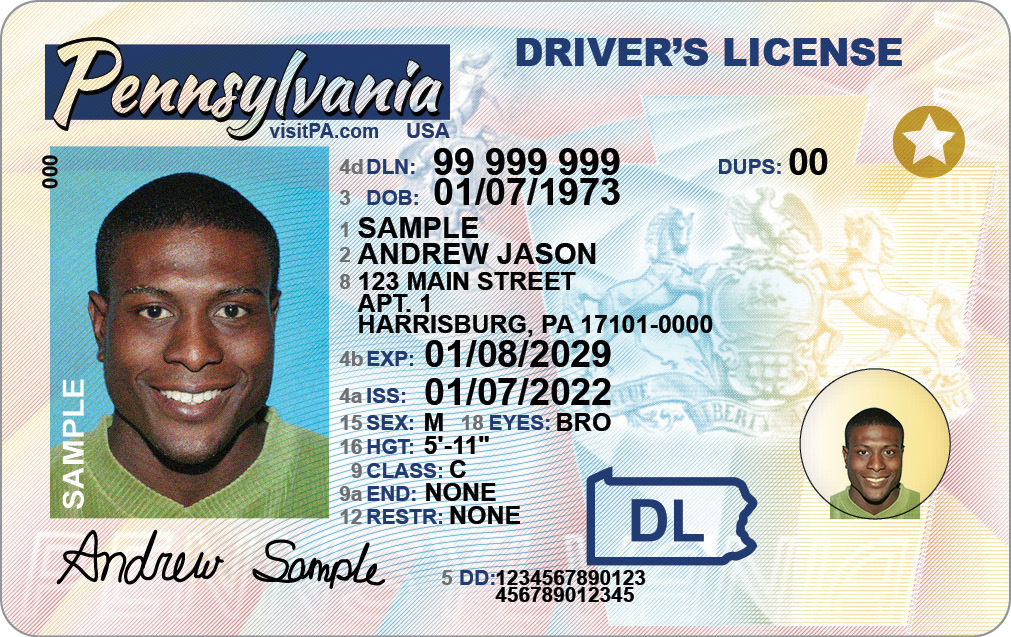
Query: “What is the expiry date of this driver's license? Output only the date in DD/MM/YYYY format.”
Output: “01/08/2029"
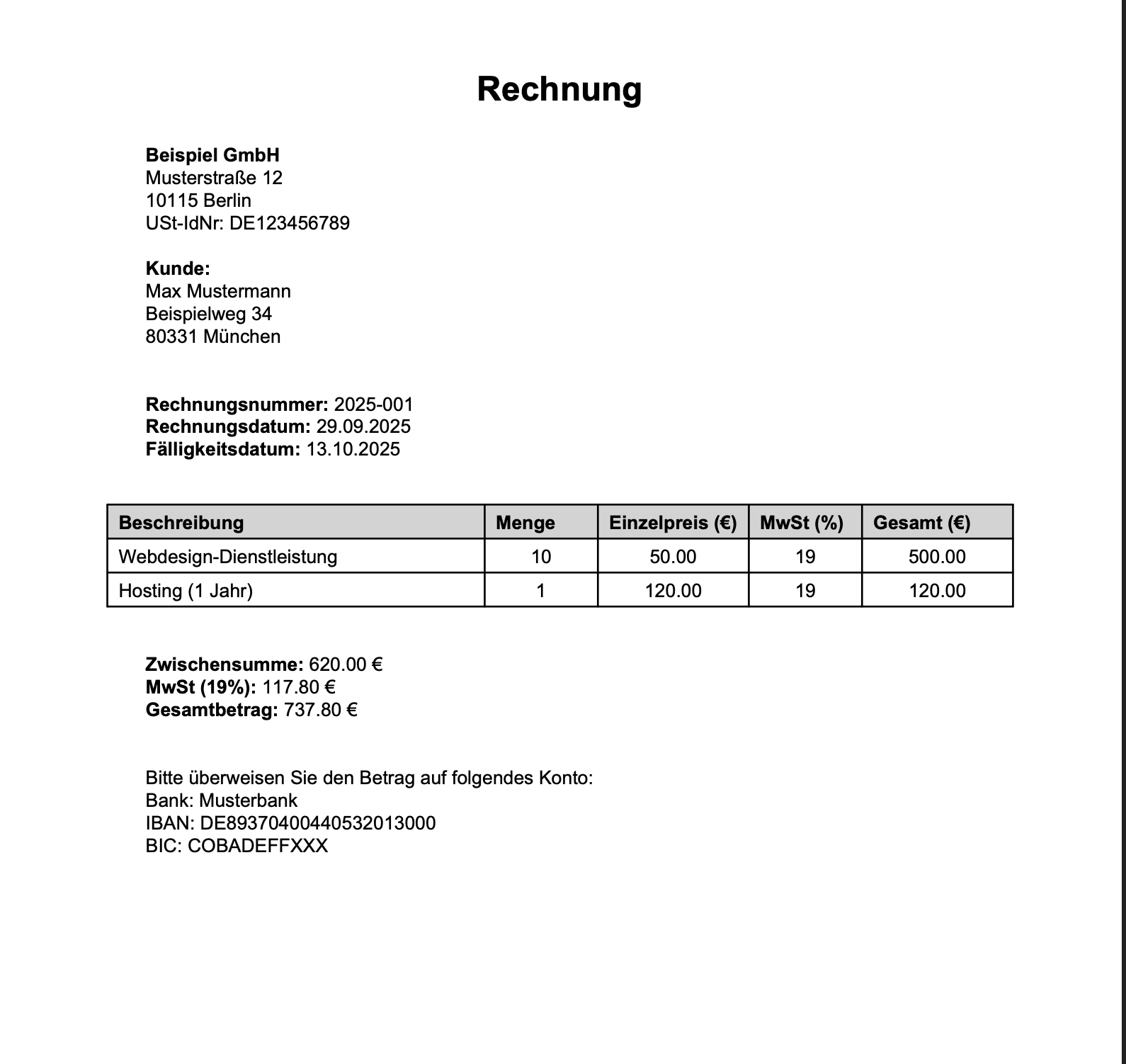
Query: Extrahiere nur die vollständige Firmenadresse aus dem verarbeiteten Dokument. Gib die Adresse als einfachen Text zurück, ohne zusätzliche Details, Beschriftungen oder Formatierungen.
Output: Beispiel GmbH, Musterstraße 12, 10115 Berlin
This capability opens up wide-ranging applications. For instance, a lawyer can extract key clauses from long contracts in seconds, or compliance teams can quickly identify required identity documents and agendas from regulatory filings.
Powered by advanced NLP, Intelligent Document Queries supports general queries, file-based queries, making document exploration faster and smarter. With this feature, businesses no longer need to waste time digging through unstructured text. Try it now in the AI Playground and see how quickly you can find exactly what you need.
Multi-Format Output
Extracting information is only the first step, what often slows down workflows is the inconsistency in how information is structured across documents. Users often spend time cleaning, aligning, and reformatting data just to make it usable.
Multi-Format Output in CloudFiles Document AI eliminates this hassle by enforcing consistent, structured outputs regardless of the document’s original format. Whether you need plain text for quick checks, a concise summary for an overview, or organized data in tables and charts for deeper analysis, the output adapts seamlessly to your workflow.
Upload a document to AI Playground to try it now.
Ask a query on any uploaded document. Choose your preferred output:
Formatted Results: in JSON, CSV etc;
The below query follows the best practice for prompting that will ensure accurate results
Query:
{Instruction}: You are an AI trained to extract structured data from documents.
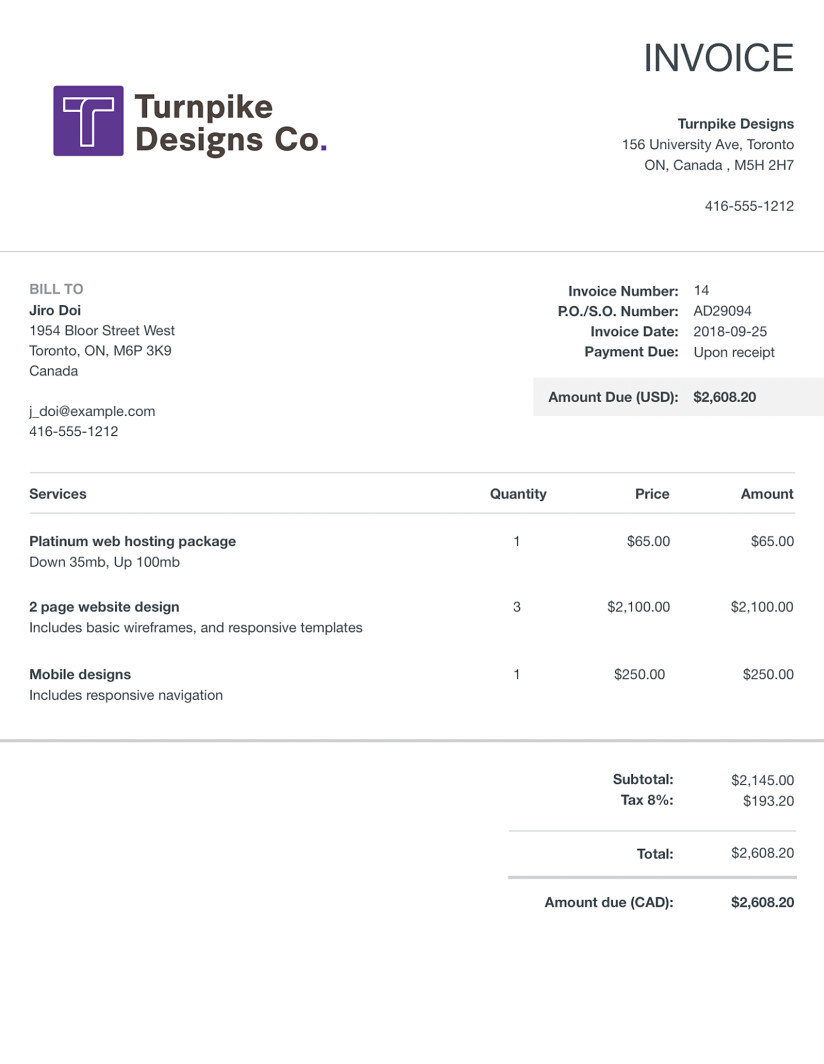
{Task}: Extract all line items from the provided Purchase Order document. For each line item, extract the following fields: Line Item Name, Quantity (whole number), Unit Price (currency value with two decimals), Line Amount (currency value with two decimals)
{Output_Format}: Return results only as a JSON array of objects with these keys: Item_Name__c, Quantity__c, Unit_Price__c, Line_Amount__c
{Rules}:
- If any field is missing, set its value to null.
- Quantity must be an integer.
- Unit Price and Line Amount must be numbers with exactly two decimal places.
- Output only the JSON array. No extra text, comments, or explanation.
{Example}: [{"Item_Name__c": "Item A", "Quantity__c": 10, "Unit_Price__c": 15.50, "Line_Amount__c": 155.00}, {"Item_Name__c": "Item B", "Quantity__c": 5, "Unit_Price__c": null, "Line_Amount__c": 75.00 }]
Output:
[ { "Item_Name__c": "Platinum web hosting package Down 35mb, Up 100mb", "Quantity__c": 1, "Unit_Price__c": 65.00, "Line_Amount__c": 65.00 }, { "Item_Name__c": "2 page website design Includes basic wireframes, and responsive templates", "Quantity__c": 3, "Unit_Price__c": 2100.00, "Line_Amount__c": 2100.00 }, { "Item_Name__c": "Mobile designs Includes responsive navigation", "Quantity__c": 1, "Unit_Price__c": 250.00, "Line_Amount__c": 250.00 } ]
Applications can span across industries for example operations teams can automatically extract order or shipment details, and finance teams can quickly consolidate line-item data across invoices.
CloudFiles powers this adaptability by converting AI responses into multiple layouts and export-ready formats. With Multi-Format Output, the same answer works for multiple needs—no reformatting, no wasted time. Test it in the AI Playground and see how easily it molds to your way of working.
Deep Data Extraction
Documents often contain far more than just words. Tables, metadata, and structured data are usually embedded deep inside, spread across pages and formats that make manual extraction painful and error-prone.
Deep Data Extraction in CloudFiles Document AI is designed to solve this challenge by going beyond surface-level OCR. It pulls structured text, tabular data, and metadata with precision and merges the results directly with Salesforce, giving you a unified and enriched view of your records.
Upload a document to AI Playground, ask a query to try it out.
For example we upload a 3 page document that contains information of various insurance claims.
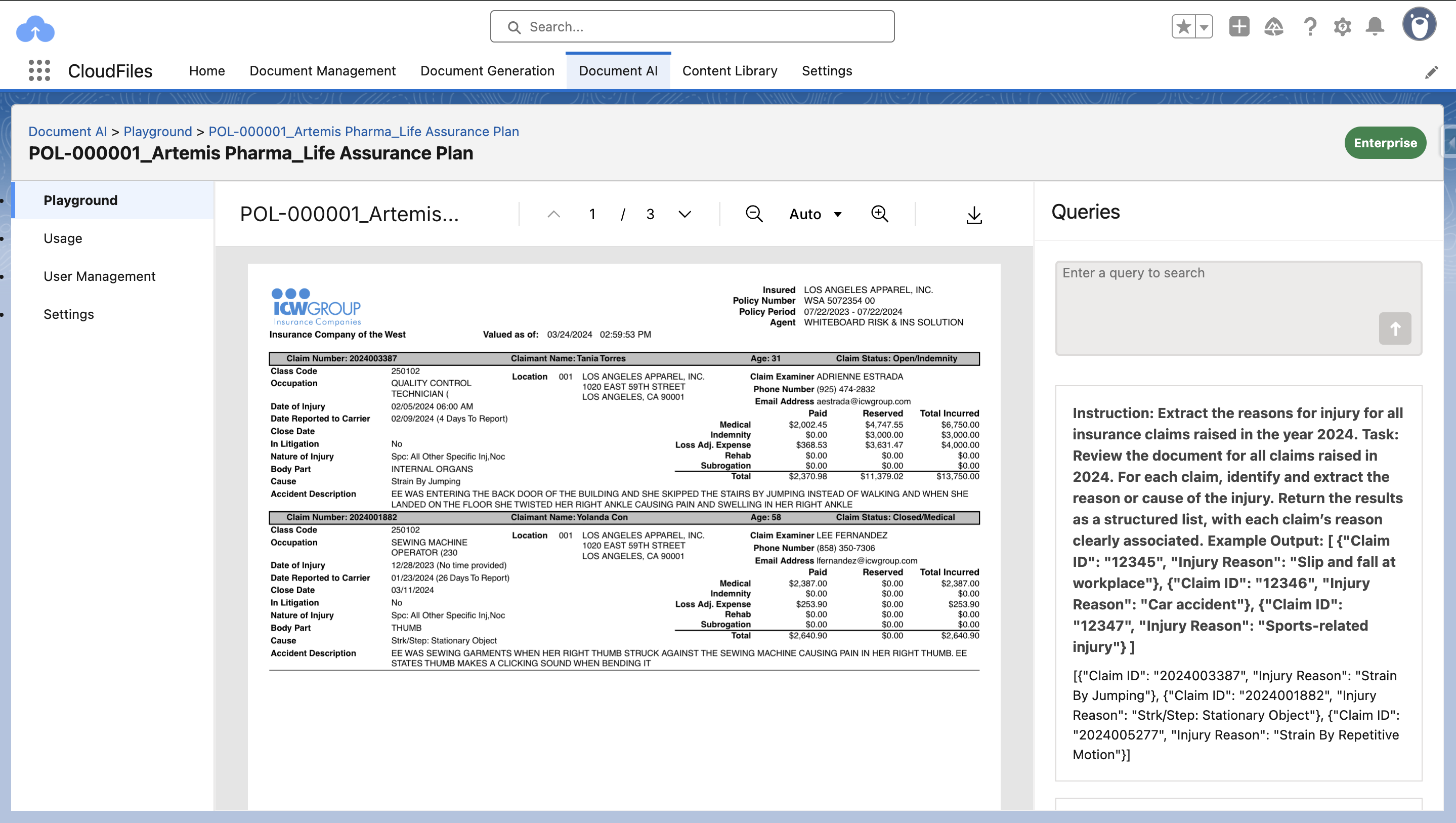
Ask complex queries beyond the surface-level OCR, that requires computing for example:
Query: Instruction: Calculate the total amount of insurance claims raised in the year 2024. Task: Review the document for all insurance claims raised during 2024. Sum up the claim amounts. Return the total amount as a single numeric value, preferably with currency formatting if applicable. Example Output: $1,250,000
Output: $40,889.86
Ask queries that use data directly from Salesforce fields, allowing you to dynamically extract, filter, or compare information based on your Salesforce records.You can use this feature in the flow actions.
Query: Instruction: Find the Claim ID for a specific claimant.Task: Search the document for claims where the claimant name matches {!$Record.Patient_Name__c}. Extract and return the corresponding Claim ID(s) as plain text.
Ouput: 2024001882
The applications span multiple industries, offering significant efficiency gains across various domains. In the insurance sector, the solution can automatically extract claim details, policy numbers, and settlement amounts from lengthy claim forms, enabling faster approvals and more accurate reporting. In the legal industry, it can identify and extract key clauses, dates, and party information from multi-page contracts, ensuring compliance, and supporting litigation processes.
By providing a unified view of structured and unstructured data, Deep Data Extraction not only accelerates workflows but also improves data accuracy, transparency, and decision-making. Businesses no longer need to rely on manual extraction or risk missing critical insights hidden deep within documents.